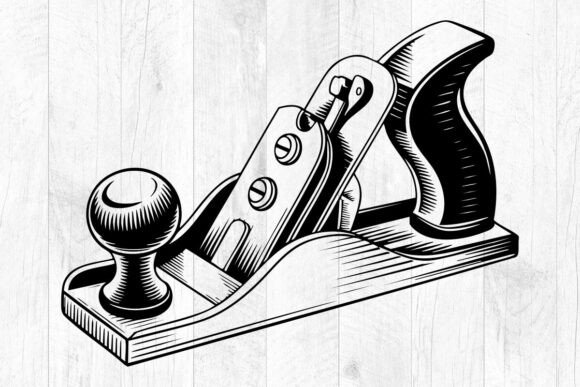
Wood Plane SVG: Crafts & Carpenter Design Asset
First Impression: Rustic Craftsmanship, Not Just Clipart
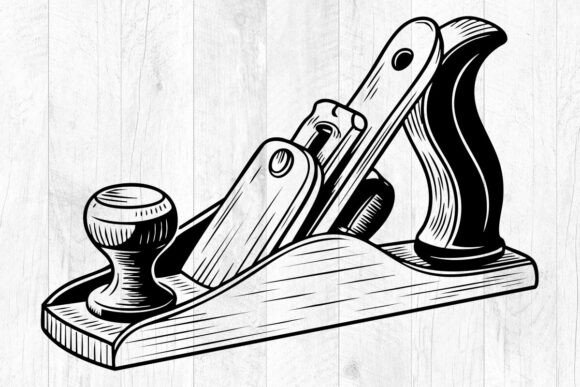
Opening Wood Plane Svg, Handyman, Carpenter for the first time, I didn’t see generic clipart—I saw intentional craft. The linework has subtle weight variation, the plane’s body carries gentle taper and grain suggestion, and the handle isn’t a flat silhouette but a thoughtful contour that implies grip and use. It reads as *hand-drawn with precision*, not auto-traced or overly digitized. That nuance matters—especially when you’re building visual trust for a handmade business or local artisan brand. For my current client—a small-batch woodworking studio launching seasonal workshop kits—this asset immediately aligned with their voice: warm, skilled, grounded, and quietly confident.
Fits Like a Well-Worn Tool Belt
Wood Plane Svg, Handyman, Carpenter thrives in projects where authenticity and tactile storytelling matter. It’s ideal for:
- Brand identity systems for carpenters, timber framers, restoration services, or craft supply shops—especially when paired with earthy palettes and serif or sturdy sans-serif typography;
- Packaging design for hand-forged tools, beeswax finishes, or reclaimed-wood accessories—where it adds narrative depth without overwhelming;
- Social media graphics for Instagram Reels or Pinterest pins promoting DIY tutorials, tool care tips, or shop updates;
- Printable designs like workshop checklists, lumber guides, or holiday gift tags sold on Etsy;
- Cricut projects and sublimation designs for aprons, mugs, and tote bags targeting makers and tradespeople;
- Editorial design in craft magazines or blogs covering heritage skills, sustainable building, or maker culture.
Where It Shines: Scale, Context, and Emotional Resonance
This graphic design asset performs best at medium to large scale—think hero banners, product mockups, or poster backgrounds. Its organic line quality gains warmth and character when enlarged, and its balanced negative space allows breathing room around text or other icons in marketing visuals. On packaging, it works beautifully as a secondary brand element near seals or ingredient lists—not competing with the logo, but reinforcing craft authority. In Canva templates for small business owners, it adds instant thematic cohesion without requiring design expertise. As part of a larger design bundle, it anchors a “maker toolkit” aesthetic alongside chisels, saws, or drafting compasses—strengthening visual consistency across printable design collections.
Where to Proceed Thoughtfully
Don’t force Wood Plane Svg, Handyman, Carpenter into minimalist corporate branding, fintech dashboards, or ultra-sleek SaaS interfaces—it’s stylistically misaligned. Avoid using it at under 36px height; fine details (like the plane’s mouth or handle grain) soften or vanish, reducing recognition. Steer clear in crowded layouts—its texture competes with dense copy or patterned backgrounds. And while it’s expressive, it’s not whimsical: skip pairing it with playful script fonts or cartoonish illustration styles unless intentionally juxtaposing tradition and irreverence.
Real-World Designer Checks Before Client Use
Before dropping this into a live project, I always run these practical tests:
- Preview it in black and white—does the silhouette hold clarity? (It does—clean edges, strong form.)
- Test contrast on light and dark backgrounds—no clipping or haloing in PNG transparency (if included); SVG paths remain crisp.
- Scale it down to 24px and up to 800px—confirm legibility and vector integrity across sizes.
- Drop it onto real product mockups: a kraft paper label, a ceramic mug, a linen tote—see how it settles into material context.
- Print a test sheet—check ink coverage, edge sharpness, and whether fine strokes render cleanly on uncoated stock.
- Inspect layer structure if editable SVG is provided—can paths be adjusted, recolored, or combined easily?
- Compare font pairings: it harmonizes with Playfair Display, Montserrat, and DM Serif Text, but clashes with ultra-thin or geometric display fonts.
- Verify commercial license—essential for print-on-demand sellers, digital product creators, and any client-facing work beyond personal use.
Why It Earns a Spot in My Creative Marketplace Toolkit
Wood Plane Svg, Handyman, Carpenter isn’t just another SVG design—it’s a narrative shortcut. For designers supporting small business branding, it delivers instant credibility and emotional resonance. It helps clients feel seen: not as faceless “customers,” but as people who value skill, patience, and material honesty. Used thoughtfully, it strengthens visual hierarchy by anchoring compositions with meaning—not decoration. It supports readability by grounding busy layouts with familiar, human-scale form. And because it’s rooted in real-world utility—not abstract symbolism—it builds visual trust faster than stylized alternatives.
A Final Note for Crafters and Digital Sellers
If you’re curating design assets for your Etsy shop, building a Canva template library, or sourcing sublimation designs for a print-on-demand store, prioritize assets like Wood Plane Svg, Handyman, Carpenter that carry built-in story weight. They convert passive scrollers into engaged buyers—not through flash, but through shared understanding. In a saturated creative marketplace, authenticity isn’t a buzzword. It’s the quiet detail in the curve of a plane’s knob. It’s what makes a t-shirt design feel earned, not applied. And it’s why this one stays open in my layers panel—ready for the next real client project.