Christian Valentine Coloring Pages
A Designer’s First Glance: Whimsy with Quiet Devotion
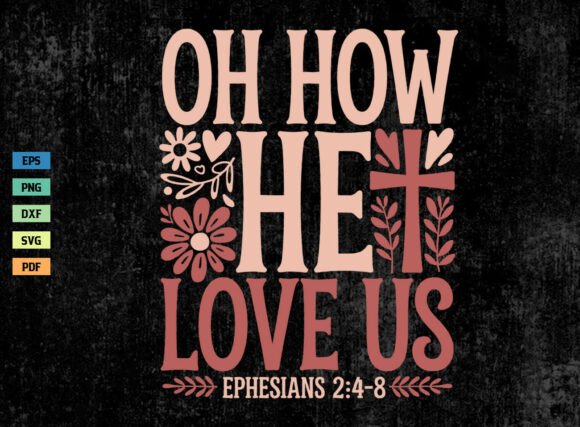
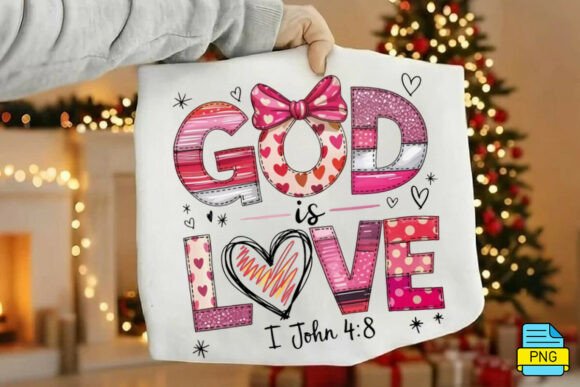
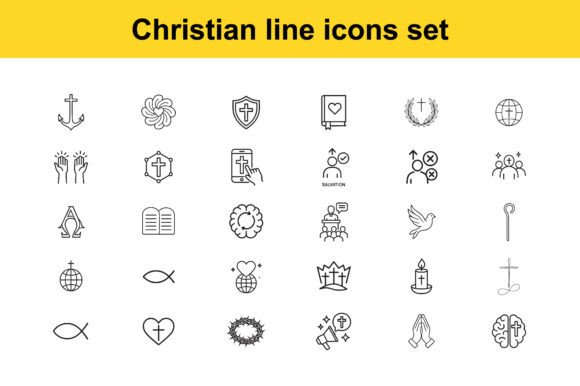
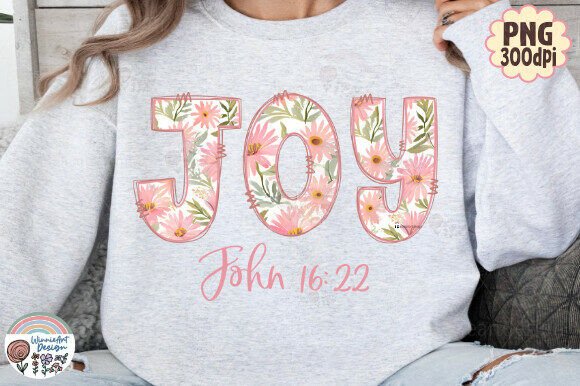
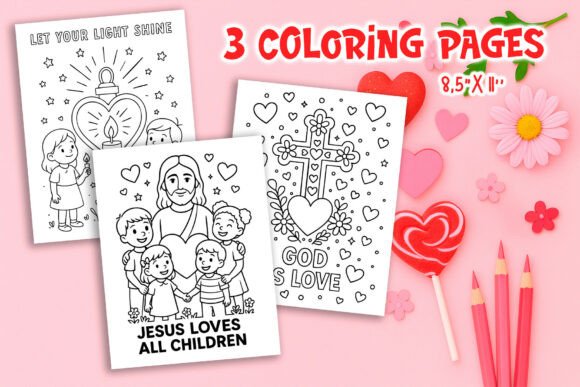
Opening Christian Valentine Coloring Pages feels like flipping through a quiet sketchbook left on a pastor’s desk or a Sunday school teacher’s shelf—soft lines, gentle curves, and motifs that balance faith and affection without tipping into sentimentality. There’s no heavy iconography or stiff symbolism here; instead, you’ll find interwoven hearts with subtle crosses, doves holding olive branches beside floral vines, and scripture-inspired phrases rendered in friendly, hand-drawn lettering. The layout breathes—it’s not crammed, not sparse—and the line weight varies just enough to suggest depth without demanding precision. As an embroidery designer who’s stitched everything from boutique baby onesies to church fair tote bags, I immediately saw its potential as a machine embroidery design that could translate beautifully—not as literal coloring, but as a thoughtful, stitch-friendly foundation.
Where It Shines: Real Projects, Real Stitching
Last week, I prepped a custom order for a local boutique: embroidered linen tea towels for Valentine’s Day gifts, each personalized with a name and a small faith-based motif. I tested Christian Valentine Coloring Pages as a central focal point—scaled to 3.2" wide—and it held up remarkably well on medium-weight linen with a light tear-away stabilizer. The open-line aesthetic translated cleanly into satin-stitched outlines and soft fill-stitch interiors. No dense nesting, no micro-details that vanished under thread. It felt intentional, not accidental—like the designer understood how stitch density affects texture and wear.
It’s equally at home on sweatshirt embroidery (especially for youth ministry apparel), baby embroidery (think onesie pockets or bib corners), and embroidered patches meant for backpacks or jackets. Because the shapes are generous and the negative space is generous, it reads clearly even on textured fabrics like terry cloth or looped cotton—no ghosting, no bleeding. For Etsy sellers and small shop owners, this is gold: a design that supports brand consistency across product types without requiring multiple versions or heavy editing.
What to Watch For—Not Flaws, Just Fit
This isn’t a one-size-fits-all file. Its charm lies in its openness—but that means it needs thoughtful placement. On curved surfaces like caps or baby beanies, avoid tight corners where delicate vine ends or thin lettering might distort. On stretchy fabric (think lightweight knits for toddler tees), use cut-away stabilizer and reduce stitch speed slightly—those flowing lines rely on consistent tension to stay graceful.
Dark fabric? Absolutely viable—but test thread colors first. A pale ecru satin stitch over navy reads reverent; neon pink would clash with the mood. And while the design avoids tiny lettering, some scripture snippets are compact—check them at actual hoop size before committing to a run of 50 pillow covers. Also, avoid layering it directly over seams or thick hems unless you’ve tested stabilizer support; the flow of the lines depends on a stable base.
How It Elevates Your Finished Product
Customers don’t buy stitches—they buy meaning, care, and cohesion. Christian Valentine Coloring Pages delivers that quietly. When stitched onto a cream-colored kitchen towel, it doesn’t scream “religious gift”—it whispers “thoughtful, handmade, made for someone who matters.” That nuance builds trust. For craft business owners, that translates to repeat buyers, better reviews, and stronger Etsy SEO when paired with terms like *personalized gift*, *faith-based embroidery*, or *Valentine’s Day handmade product*.
It also plays well with branding. Whether your shop leans modern-minimalist or warm-rustic, this design adapts—no forced fonts, no dated clip art energy. And because it’s rooted in coloring-page logic (clean outlines, clear zones), it works seamlessly in printable mockups for digital listings—no need to over-edit shadows or drop shadows to sell the vision.
Practical Notes Every Embroidery Designer Should Run Through
- Always test on scrap fabric first—especially if stitching on blends or low-thread-count cotton.
- Review stitch density visually before hooping: look for areas where fill stitches might crowd running-stitch outlines (a quick zoom-in on your embroidery software helps).
- Confirm hoop size compatibility—this design scales well, but avoid pushing below 2.5" without checking detail retention.
- Inspect small details in black-and-white mockups: contrast matters more than color when judging clarity on dark garments.
- Use proper stabilizer—lightweight cut-away for knits, tear-away for stable wovens, and fusible for lightweight linens.
- Check licensing before selling finished items—Coloring Pages Amp typically permits commercial use of finished products, but always verify current terms before listing on Etsy or at craft fairs.
Final Thought: A Design That Serves the Maker and the Meaning
Christian Valentine Coloring Pages isn’t flashy. It won’t dominate a tradeshow booth with glitter or motion—but it will earn quiet respect from customers who recognize craftsmanship, intention, and emotional resonance. It’s the kind of digital embroidery file that makes your small shop feel curated, not crowded; your holiday embroidery feel personal, not programmed. Whether you’re stitching a single custom apron for a wedding shower or batch-producing patches for a church fundraiser, it holds space for both reverence and joy—without demanding perfection from your machine or your time. That’s rare. And worth keeping in your active design assets.