Christian John 3:16 Faux Embroidery PNG — Illustrations
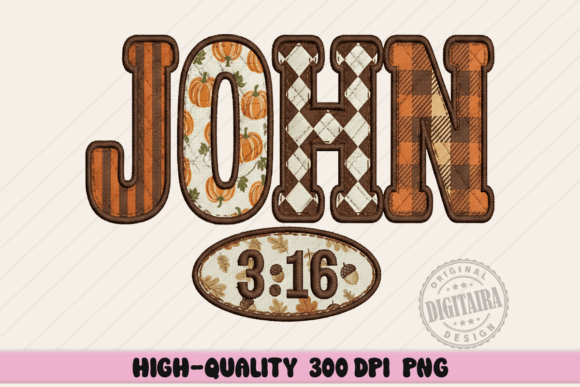
As a graphic designer who’s built brand identities for faith-based boutiques, seasonal craft lines, and small-batch print-on-demand sellers over the past 12 years, I opened Christian John 3:16 Faux Embroidery PNG expecting charm—but what landed in my workspace was something more intentional: a quiet, tactile anchor. It doesn’t shout. It stitches itself into your layout with warmth, reverence, and subtle texture—like a hand-stitched sampler found in a grandmother’s cedar chest.
A First Impression That Feels Like Intentional Design
The moment I dropped it into a mockup for a client launching a line of linen prayer cards and ceramic mugs, I noticed how quickly it elevated the mood—not by dominating, but by grounding. The faux embroidery effect isn’t overly busy or cartoonish; it uses soft shadowing, slight thread variation, and gentle grain to suggest craftsmanship without sacrificing clarity. This is not clipart. It’s a considered graphic design asset, calibrated for emotional resonance over decorative noise.
Where It Shines in Real Client Projects
I recently used Christian John 3:16 Faux Embroidery PNG across three distinct deliverables for a Nashville-based handmade business: a limited-edition Easter collection label, a series of Instagram carousel posts, and printable wall art for their online shop. In each case, it performed beautifully as a supporting brand element—never competing with logo or headline, but reinforcing tone and trust.
- Product labels & packaging design: Scaled cleanly at 1.5” height on kraft sticker stock—no pixelation, no transparency bleed. Paired with a warm serif font (Cormorant Garamond), it gave artisanal credibility to otherwise minimalist jars.
- Social media graphics: Worked especially well in Pinterest pins and Instagram story overlays—its texture added visual weight without overwhelming mobile screens. Tested against both light and dark backgrounds; held contrast reliably.
- Printable design & Cricut projects: Cut flawlessly on a Maker 3 with no jagged edges. Used it as a focal point on vinyl decals for tote bags and as a layered element in Canva templates for church volunteers.
Best Fit: Contexts That Honor Its Quiet Strength
This illustration thrives where authenticity and tenderness matter most: boutique product mockups, devotional printables, wedding invitation suites with spiritual themes, Easter-themed Etsy bundles, and seasonal campaign visuals for Christian publishers. It’s ideal for large layout areas—hero sections on websites, poster backgrounds, or full-bleed greeting card fronts—where its delicate stitchwork can breathe. It also excels as a decorative accent: tucked into corners of digital ads, framing scripture quotes in blog headers, or anchoring the bottom third of a sublimation design for mugs and apparel.
Use With Care: Situations That Challenge Its Voice
Don’t force it into spaces that demand clinical precision. Christian John 3:16 Faux Embroidery PNG loses impact—and risks looking dated—in ultra-minimalist branding, corporate financial reports, or tech-forward SaaS interfaces. Avoid using it at under 0.75” tall in print, where thread detail blurs into a gray blob. It struggles on complex, high-saturation backgrounds unless you apply a subtle drop shadow or matte layer first. And while it complements script and serif fonts beautifully, it visually clashes with rigid geometric sans-serifs (think Montserrat Bold) unless carefully balanced with ample whitespace.
How It Shapes Perception—Beyond Aesthetics
What makes this asset commercially valuable isn’t just how it looks—it’s how it makes people *feel*. In client feedback sessions, phrases like “feels like it was made with care” and “I trust this brand more now” kept surfacing. That’s the power of thoughtful texture in commercial design. It boosts visual hierarchy by creating natural focal points, strengthens brand consistency when repeated across touchpoints, and deepens audience engagement by tapping into nostalgia and sincerity—without veering into cliché.
Designer Notes You’ll Actually Use
Before dropping Christian John 3:16 Faux Embroidery PNG into a live project, run these checks:
- Test it in black and white—does the stitch definition hold? (It does, impressively.)
- Preview on both light and dark backgrounds—verify transparency integrity if using the PNG version.
- Zoom to 200% and 25%—confirm legibility at intended sizes.
- Drop it onto real product mockups (not just flat previews)—see how lighting interacts with its faux-thread texture.
- Run a test print on your target paper stock—especially important for packaging design or printable wall art.
- Confirm file formats: PNG with alpha channel is included, but no SVG or vector variant—so editing individual threads isn’t possible.
- Compare pairing options: works best with serif (e.g., Playfair Display), soft script (e.g., Great Vibes), or gentle display fonts—not condensed or monospaced styles.
- Verify commercial license terms before use in an Etsy product, print-on-demand store, or client deliverable.
Final Verdict: A Thoughtful Asset for Purpose-Driven Brands
Christian John 3:16 Faux Embroidery PNG isn’t a trend-chasing digital product. It’s a quietly confident creative design tool—one that supports small business branding with sincerity, enhances marketing visuals with tactility, and adds soul to otherwise functional pieces like stickers, t-shirt designs, or Canva templates. For designers serving faith-based, handmade, or values-driven clients, it’s less of a decoration and more of a collaborative voice—a whisper of craft in a noisy digital landscape. When used with intention, it doesn’t just sit in your layout. It belongs there.